
-
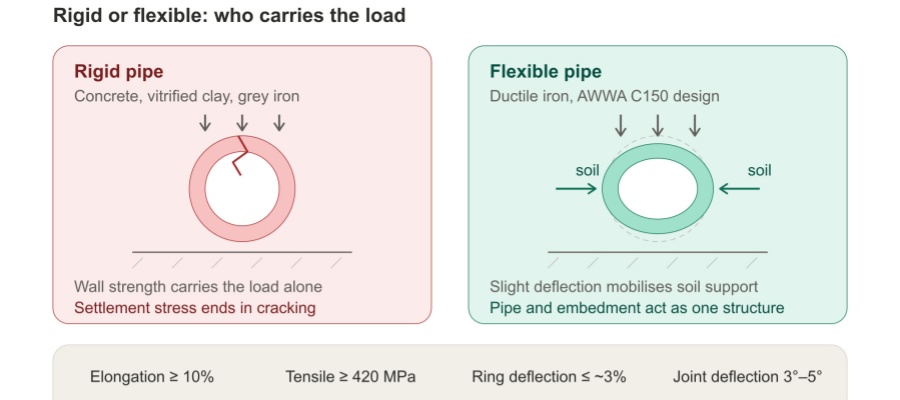
Is Ductile Iron Pipe Rigid or Flexible?
Bend a 6 m length by hand and nothing moves; yet buried, ductile iron pipe (DIP) carries load like a flexible conduit. Both are true — different questions. Rigid vs. flexible: what it actually means Rigid pipes — concrete, vitrified clay, traditionally grey cast iron — resist load almost entirely...Read more -
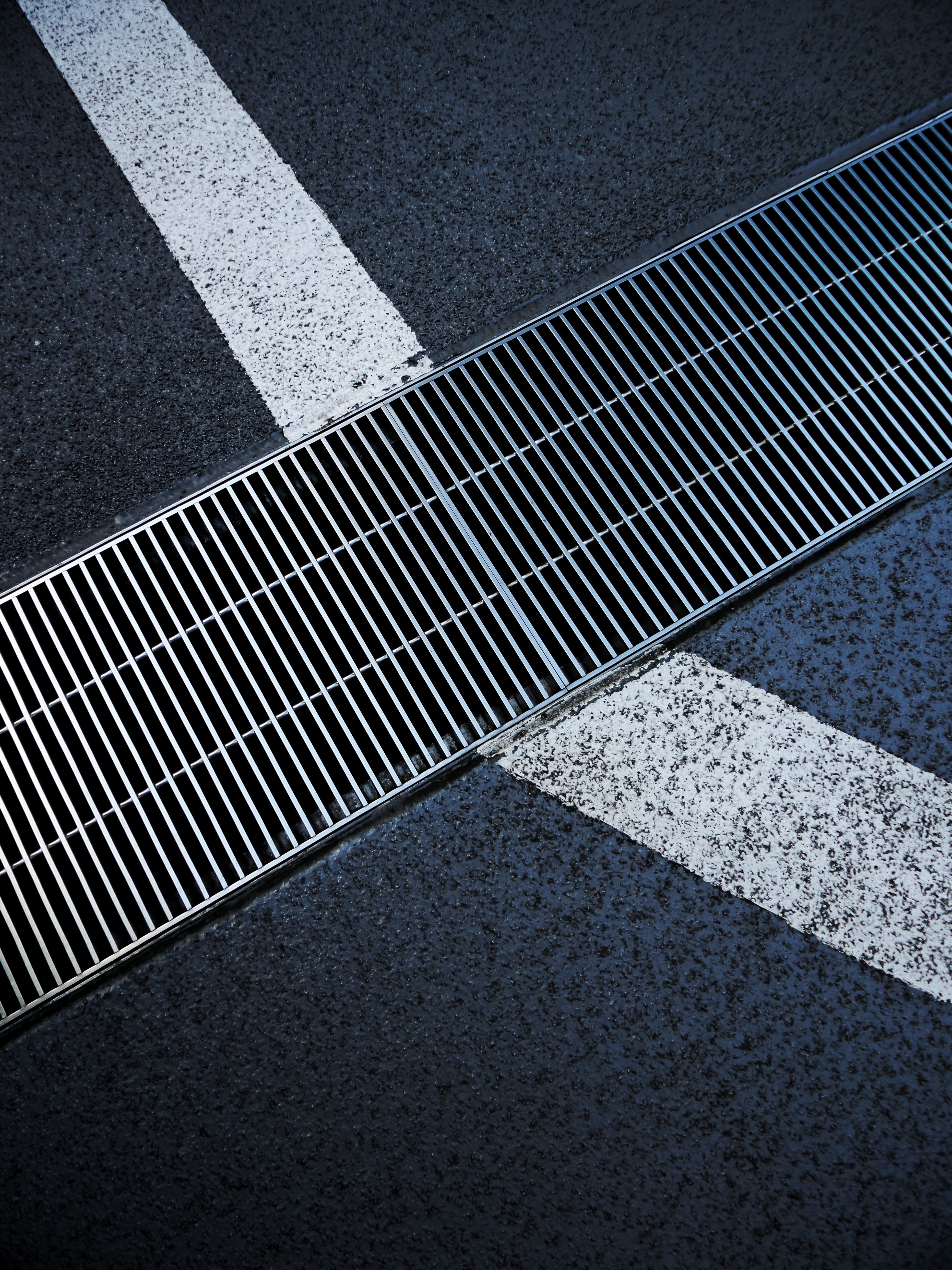
Drainage Channel vs. Intercepting Channel: A Complete Guide to Interception Drainage
An intercepting channel — also called an intercepting ditch, catch drain, berm ditch or open trench — cuts water off before it reaches the roadbed. It is built along the top of a cut slope, on natural ground, or outside the top edge of the curb, where it can intercept sheet flow coming from highe...Read more -
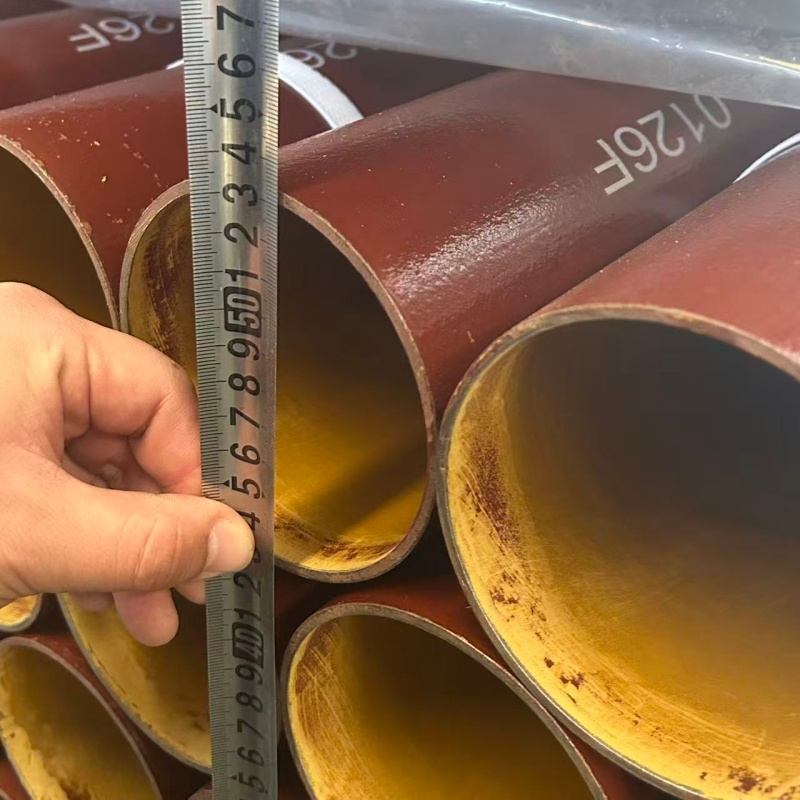
EN 877 Evolution & Lightweight Cast Iron Drainage Systems: A Technical Guide for Buyers
EN 877 is the core European standard for cast iron drainage systems in buildings, and its 2010 revision introduced tighter quality controls that international buyers should understand before ordering. What changed in EN 877:2010. Wall thickness must be measured with ball-ended calipers at a minim...Read more -
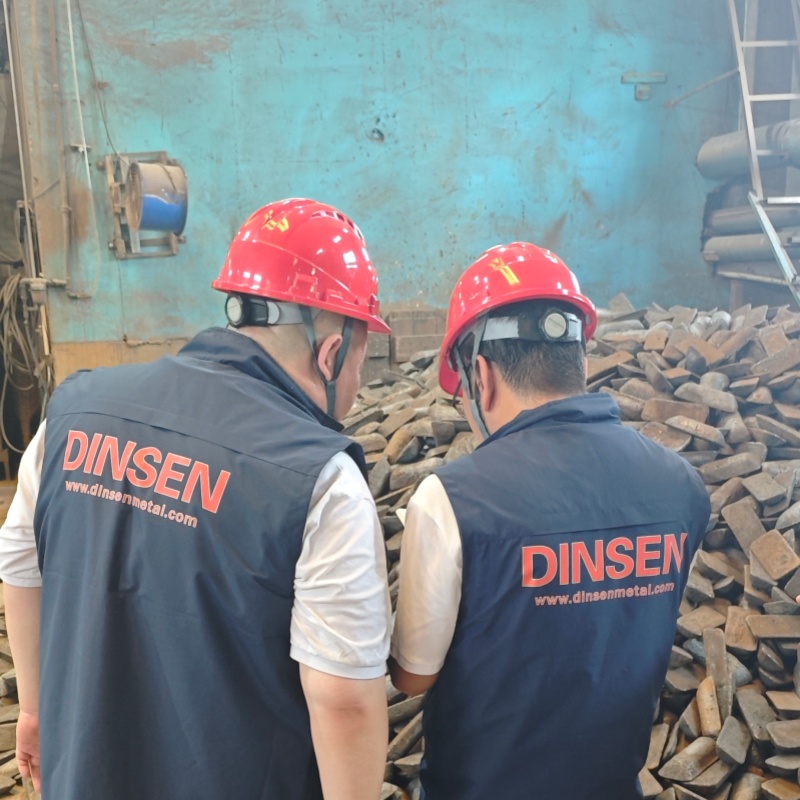
DINSEN Ductile Starts at Source, Gray Iron Proven in the Lab
Two materials, two strategies — both audit-ready. Ductile pipes and fittings (EN 545 / EN 598) live or die by the melt, so we control from the source: Q10/Q12 pig iron and nodularizing cored wire are segregated at the yard, each batch matched to a mill certificate (S ≤ 0.05%, P ≤ 0.08%). Incoming...Read more -
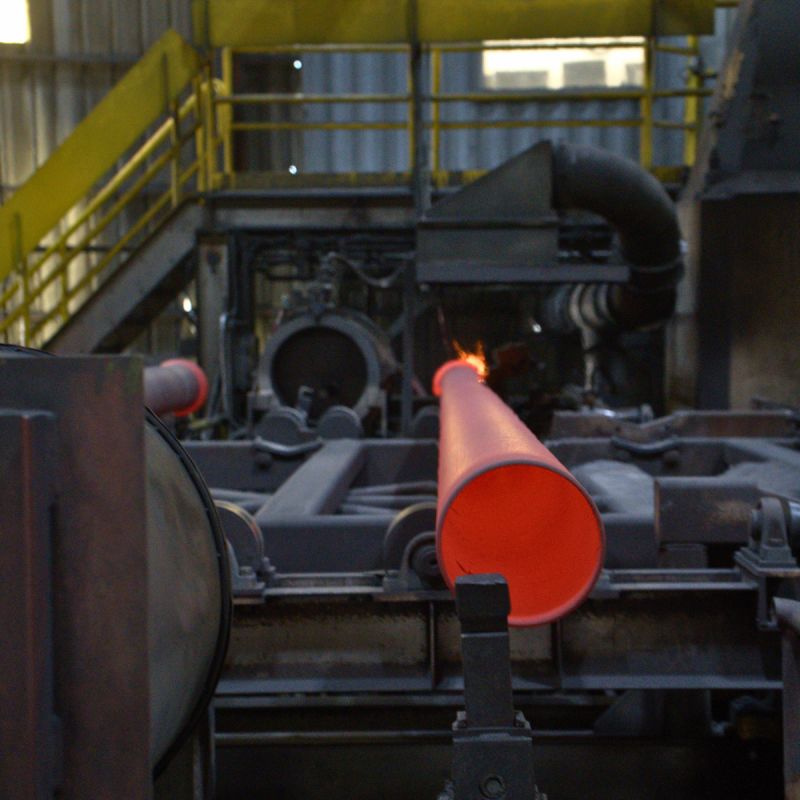
Ductile Iron Pipe vs Cast Iron Pipe: 6 Key Differences and How to Choose
Ductile iron is strong, bendable and built for pressurized lines; cast iron is rigid, economical and built for gravity drainage. Pick based on pressure, not price. Both pipes are iron-carbon alloys and, from a distance, look identical — yet they are engineered for different jobs. Ductile iron res...Read more -
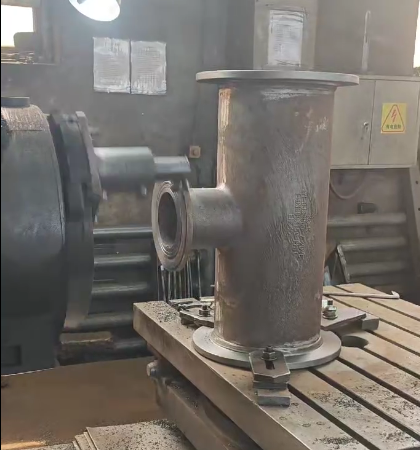
How Ductile Iron Pipe Fittings Are Made
By Vincent, Quality Engineer | DINSEN How are ductile iron pipe fittings made? In most foundries, the answer involves two steps: casting the fitting body, then machining a sealing groove into each flange face. DINSEN takes a different route. Our ductile iron pipe fittings are produced with cast-i...Read more -

SML Pipe vs Hubless Cast Iron Pipe: The Complete Comparison Guide
What Is an SML Pipe? SML is the European designation for a socketless, plain-ended grey cast iron drainage pipe produced to EN877. The letters stand for the German classification of the mechanical joint system (Steck–Muffen–Lose / socketless mechanical, loose coupling). The pipe itself has no bel...Read more -
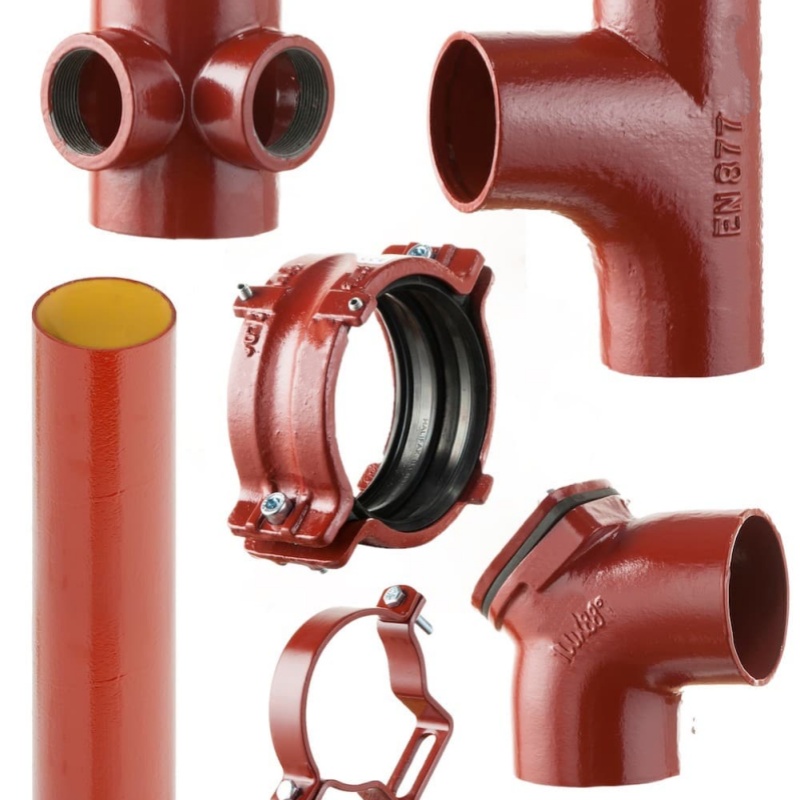
EN877 Cast Iron Pipe: The Complete Technical & Buying Guide
1. EN877:2021 Standard Overview EN877:2021 is the European standard for cast iron pipes and fittings used in drainage, sewerage, and rainwater systems. It is widely applied in building drainage, municipal engineering, and industrial sectors. The standard covers nominal diameters from DN40 to DN30...Read more -
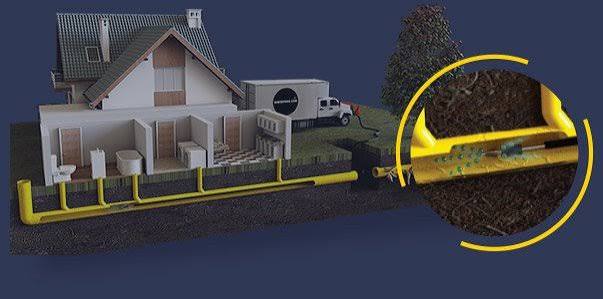
Ductile vs Malleable Iron: Corrosion & Coating Comparison
Selecting the right material for piping systems is a critical decision that impacts long-term durability, maintenance costs, and overall system integrity. Among the most common choices are malleable iron and ductile iron fittings. While both are ferrous metals, they differ significantly in micros...Read more -
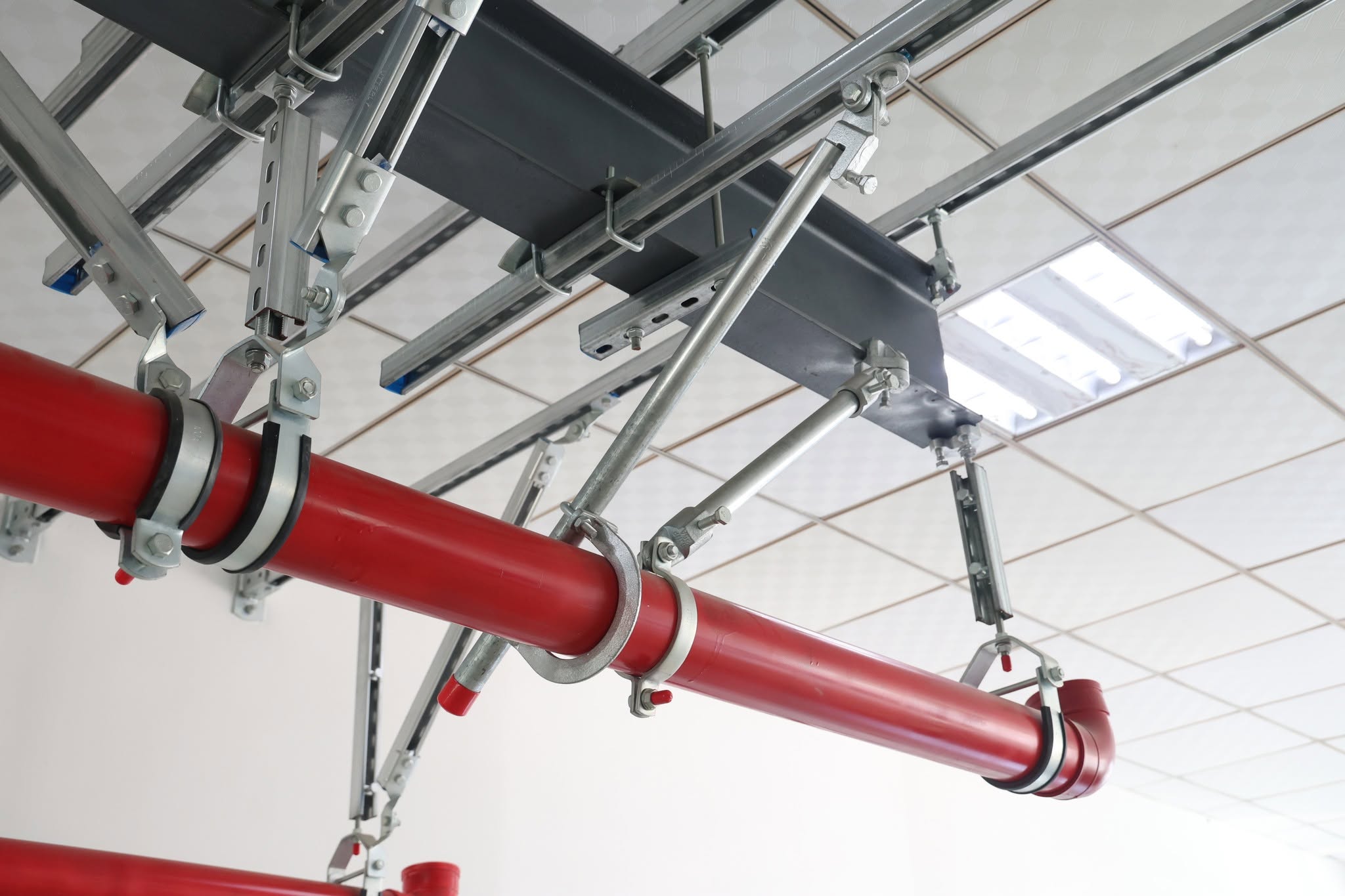
DINSEN EN877 CI Pipes for Building Drainage
The Challenge: Material Selection in Modern Building Drainage When designing building drainage systems with EN877 cast iron, engineers face a key decision. Which pipe material best balances fire safety, noise control, durability, and flow capacity? This decision has become more complex as buildin...Read more -
Why Choose DINSEN Ductile Iron Pipe?
When you build infrastructure, you need materials you can trust. Pipes must handle tough conditions like freezing cold, scorching heat, heavy traffic, and shifting soil. Among all the options available today, DINSEN EN545 pipe stands out as a top choice for engineers and project managers around t...Read more -
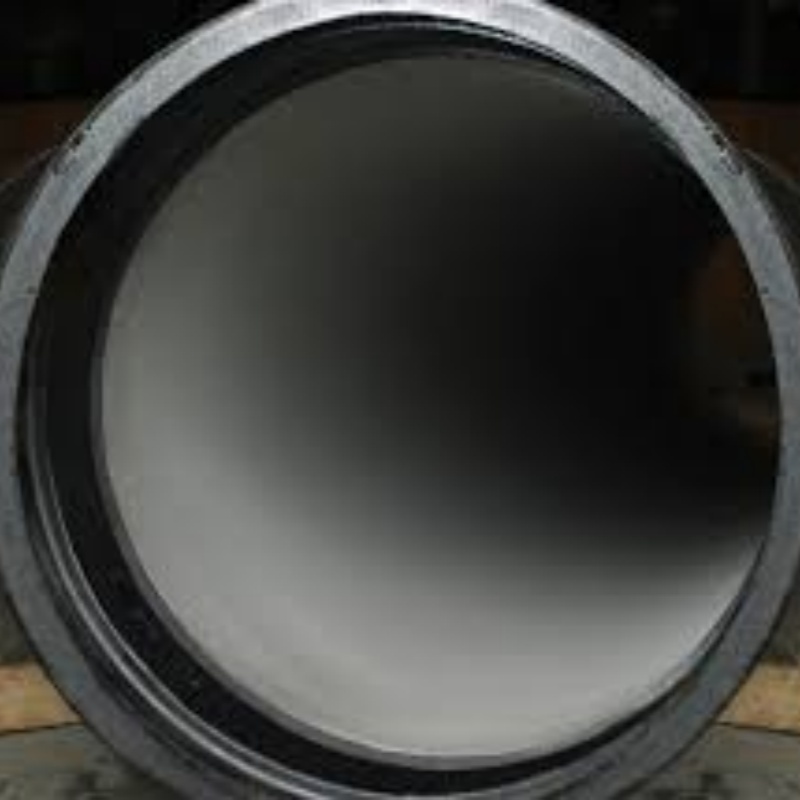
What Is Ductile Iron Pipe Lined With? A Complete Guide
When you choose a ductile iron pipe, one key question is: What is inside it? The internal lining protects the pipe from corrosion, keeps water clean, and ensures a long service life. Different linings suit different jobs. Below are the most common types of internal coatings for ductile iron pipes...Read more

© Copyright - 2010-2026 : All Rights Reserved by Dinsen Featured Products - Hot Tags - Sitemap.xml - AMP Mobile
Dinsen aims to learn from world famous enterprise like Saint Gobain to become a responsible, trusty company in China to keep improving the human being life!